
Buffalo, NY - For some people, it’s a bird they see in the wild. For others, it might be a childhood encounter, a book, a movie or even another person. Whatever the spark, birders often have a story about the moment they became fascinated with birds. Canisius University Psychology Professor Jenn Lodi-Smith, PhD, is studying those stories to better understand what happens when an interest in birds takes hold.
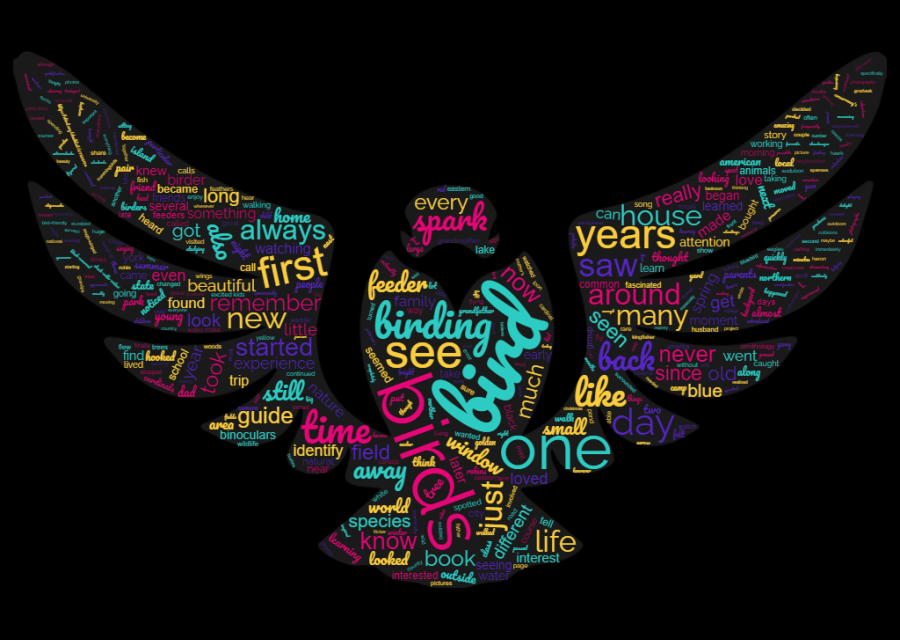
Lodi-Smith recently published preliminary findings from The Spark Bird Project, an ongoing research initiative that collects and examines the stories people tell about the experiences that sparked their interest in birding. The peer-reviewed manuscript, published September 15 in Frontiers in Bird Science, examines 560 spark bird stories from 544 participants.
"A 'spark bird' is the term birders use for the bird—or, more broadly, the person, experience or other influence—that helps ignite a passion for birds," explains Lodi-Smith. "While the term is familiar within the birding community, my research examines the phenomenon through the lens of psychology and narrative identity."
The project focuses on spark bird stories as a “transformative life experience” and gives everyday birders an opportunity to share the moments that helped shape their connection to birds.
Those moments don't follow a single timeline.
The people who participated in the project reported spark experiences across their lives, from early childhood to adulthood. The average age at the time of the reported experience was 25, but the stories included experiences that happened as early as infancy and as late as age 77.
What the stories have in common is how people describe the experience.
The stories were rich in curiosity, interest and positive emotion. Participants frequently described their spark moments as happy, vivid and important, often recalling a sense of surprise or wonder in discovering something about birds.
And despite the name of the project, the spark isn't always a bird.
More than 200 bird species appeared in the stories, with the Northern Cardinal and Great Blue Heron among the most frequently reported. But 87 participants—nearly 15% of the sample—identified something other than a bird as their spark. People were the most common non-bird sparks, while books, movies, games and other experiences also played a role.
That finding is important to Lodi-Smith who notes that the project isn't simply about identifying which bird species are most likely to attract new birders. It's about understanding the experiences that draw people into birding and what those experiences mean to them.
"The sharing of spark bird experiences affords an opportunity to ask other important questions about birding from benefits to barrier," she says.
The research also challenges the idea that a person has to discover birds as a child to develop a lasting interest. Childhood experiences were common in the stories, but Lodi-Smith found that spark experiences can—and do—happen throughout life.
That has implications for birding organizations and communities, she notes, particularly when it comes to welcoming people who are new to birding. "Some people who come to birding later in life are hesitant to share their stories because they aren't sure their experience 'counts' as a spark bird moment."
Lodi-Smith's research suggests there is value in those stories, whether the spark was a particular bird, a person who introduced someone to birding or an unexpected moment of connection with nature.
The Spark Bird Project grew from Lodi-Smith’s expertise in personality and narrative identity research and her own passion for birding. Rather than focusing only on prominent birders, the project centers the experiences of everyday people and gives them a way to tell their stories in their own words.
The project is ongoing, with additional research planned as more people participate. Future analyses will examine themes including interpersonal connections, growth, connection to nature, mastery, curiosity, coping and the role of the birding community.
Ultimately, Lodi-Smith says, the project is helping researchers better understand “who birders are and who potential birders may be” and how organizations can help sustain that interest.
For Lodi-Smith, the stories collected so far point to something bigger than a hobby or a particular species.
“The lifelong power of birds to spark curiosity and wonder in human lives” is what the preliminary findings reveal, she writes.
The Spark Bird Project continues to collect stories from people who have experienced their own spark moment. To share a story or learn more about the project, visit www.spark-bird.org.