


Supporting Student Success from Enrollment to Employment
At Canisius, student success means more than earning a degree. It means having the resources, support, experiences, and sense of belonging needed to thrive in college and build a meaningful life after graduation.
That commitment begins on a student’s first day and continues well beyond commencement. Through accessible technology, coordinated academic support, affordable course materials, mental health resources, mentorship, and career preparation, Canisius helps students overcome barriers and stay focused on their goals.
The results of Student Success at Canisius speak for themselves

Did you know? All Canisius undergraduates are paired with a team of student success coaches as soon as they are accepted.
Student Success in Action
Canisius is investing in the tools, spaces, and support systems that help students succeed throughout their college experience.

Canisius Computes
Every incoming first year student receives a MacBook Air, giving all students access to the technology they need from the moment they arrive. Canisius Computes removes barriers, supports learning across every academic program, and helps students build the digital skills they will use throughout college and in their careers.

Canisius Complete
Canisius Complete makes required course materials more affordable and easier to access. Textbooks and digital materials are prepared before classes begin, allowing students to start each semester ready to learn without navigating unexpected costs or delays.
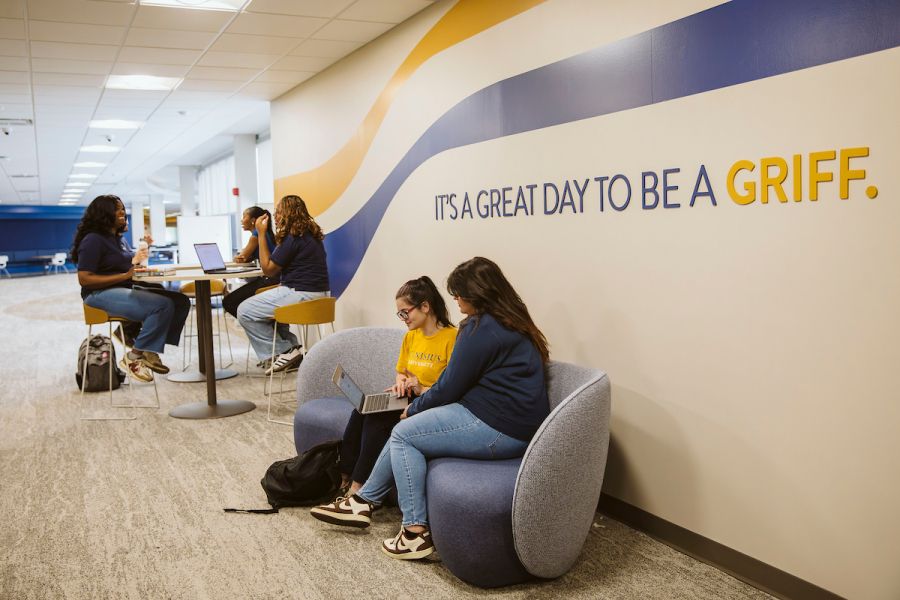
Golisano Center for Student Success
The Golisano Center for Student Success brings essential student resources together in one welcoming, modern campus space. Students can more easily connect with academic support, career development, advising, accessibility services, and other programs designed to help them make progress and reach their goals.

Golden Griffin Guarantee
The Golden Griffin Guarantee reflects the university’s commitment to helping students graduate on time. Eligible students who follow their academic plan but need additional time to complete their degree may receive up to 15 additional credit hours at no cost.

How does Canisius support student success?
Student success at Canisius starts with having the right people and resources around you. From academic advising and mental health support to financial aid, career guidance and accessibility services, students have support throughout their college experience.
Success also means finding your place. With more than 90 clubs and organizations, leadership opportunities, campus events, service experiences and career preparation, Canisius gives students plenty of ways to connect, get involved and build skills for life after college.
How does Canisius support academic achievement?
Canisius supports academic achievement through expert faculty, hands-on learning and opportunities to apply what students learn in real-world settings. Students work closely with professors, gain experience in their fields early and build skills that prepare them for careers and graduate study.
- Learn from expert faculty. Canisius professors are recognized experts whose insights have been featured in outlets including The New York Times, Forbes, Financial Times, U.S. News & World Report and CBS.
- Gain real-world experience early. Students can participate in high-impact experiences such as research, field experiences, conference presentations and other applied learning opportunities beginning as early as their first year.
- Work directly with faculty on research. Through the Canisius Earning Excellence Program (CEEP), students collaborate with faculty mentors on meaningful scholarly and applied projects while earning a stipend.
- Learn skills employers value. Advisory boards made up of local business and community leaders help keep programs connected to current professional needs and real-world practice.
How does Canisius help students find a sense of belonging?
Canisius helps students build a sense of belonging through personal support, close relationships and opportunities to get involved. Small classes, dedicated Student Success Teams and an active campus community make it easier for students to connect with people who know them and can help them succeed.
- Build relationships with faculty. Small classes give students more opportunities to know their professors, ask questions and receive individual guidance and mentorship.
- Have a dedicated support team. Every student is connected with a Student Success Team that includes academic, career, financial aid and student success support.
- Find a community. Students can connect through clubs and organizations, leadership opportunities, campus activities, coursework, service and faculty research.
- Get support when challenges arise. Strong relationships and one-on-one guidance help students navigate academic and personal challenges while staying connected to their goals.
How does Canisius support undergraduate research?
Canisius gives undergraduate students opportunities to work directly with faculty, conduct meaningful research and present their work. Students can gain hands-on research experience through faculty mentorship, funded programs, coursework and independent projects.
- Work closely with faculty mentors. Students can collaborate with professors on research projects that build practical skills and prepare them for careers or graduate study.
- Earn funding for research. Through the Canisius Earning Excellence Program (CEEP), students work alongside faculty on scholarly and applied projects while receiving financial support for their work.
- Build research into your coursework. Students can participate in research through classes, independent studies, capstone projects and other academic experiences.
- Present your work. Ignatian Scholarship Day gives students the opportunity to share research, creative work and academic projects with the Canisius community.
How does Canisius support student mental health and well-being?
Canisius supports student mental health and well-being through counseling, 24/7 support, wellness resources and programs that address the academic, personal and financial pressures students may face.
- Access counseling and 24/7 support. Students can use on-campus counseling services and receive 24/7 mental health support through Uwill, a telehealth partnership providing on-demand support.
- Build healthy habits. Wellness programming helps students manage stress, stay active and develop habits that support their physical and emotional health.
- Connect with peer-led mental health resources. Canisius has an Active Minds chapter that gives students opportunities to participate in mental health awareness, education and advocacy.
- Find identity-based support. Student organizations such as UNITY provide LGBTQIA+ students and allies with opportunities for connection, support and advocacy.
- Get help with financial resources. Canisius partners with Arbol to provide personalized financial planning tools and resources.