Buffalo, NY - Zombies are having a moment this Halloween season.
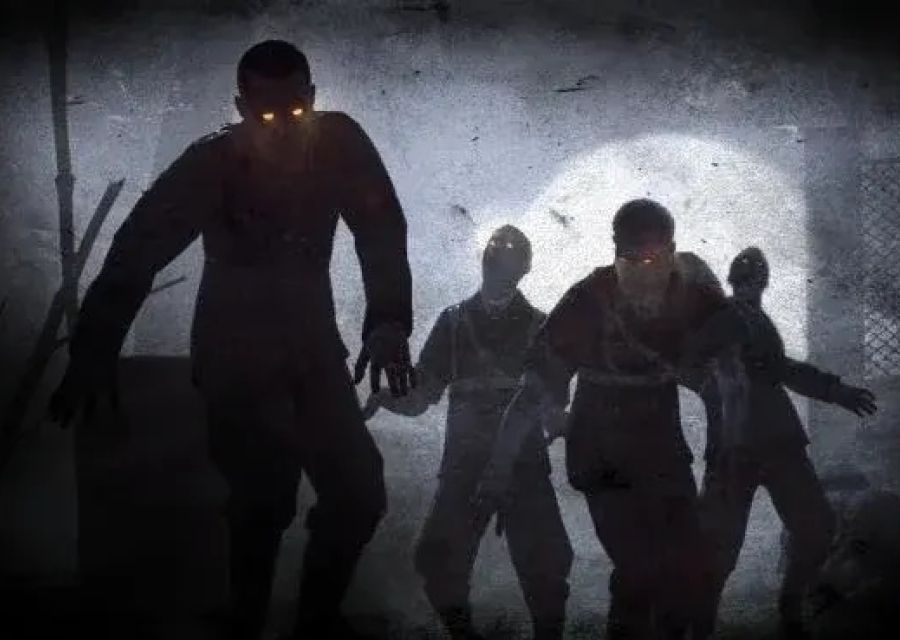
With Marvel Zombies streaming on Disney+, 28 Years Later thrilling the theater audiences, and a Return of the Living Dead sequel on the way, the undead are dominating screens. According to Christopher Lee, PhD, their staying power is no accident.
“Zombies endure because they are cultural mirrors, reflecting whatever fears grip society at any given moment,” says Canisius’ associate professor of religious studies and theology.
The Origins of Zombies
Unlike vampires or werewolves, whose myths are bound by established lore, zombies evolve with the times. Lee explains that in George Romero’s Night of the Living Dead, zombies “are believed to represent the fear of Communism or accusations of being a Communist.” Romero’s film Dawn of the Dead uses a zombie apocalypse to critique consumerism and American culture. More contemporary interpretations of zombies address pandemics, disease and social collapse.
This continual reinvention ensures zombies never truly die in pop culture.
“They’re popular because they’re scary and they’re scary because they can be filled with whatever scares our society at that particular time,” Lee adds. “They’re nearly infinitely variable.”
Lee explores these cultural connections in his Canisius course Magic, Science and Religion, where students examine how societies use folklore, myth and monsters to interpret the unknown.
Canisius was founded in 1870 in Buffalo, NY, and is one of 27 Jesuit colleges and universities in the U.S. Consistently ranked among the top institutions in the Northeast, Canisius offers undergraduate, graduate and pre-professional programs distinguished by close student-faculty collaboration, mentoring and an emphasis on ethical, purpose-driven leadership.